
Why Some Injuries Keep Coming Back (And How to Break the Cycle)
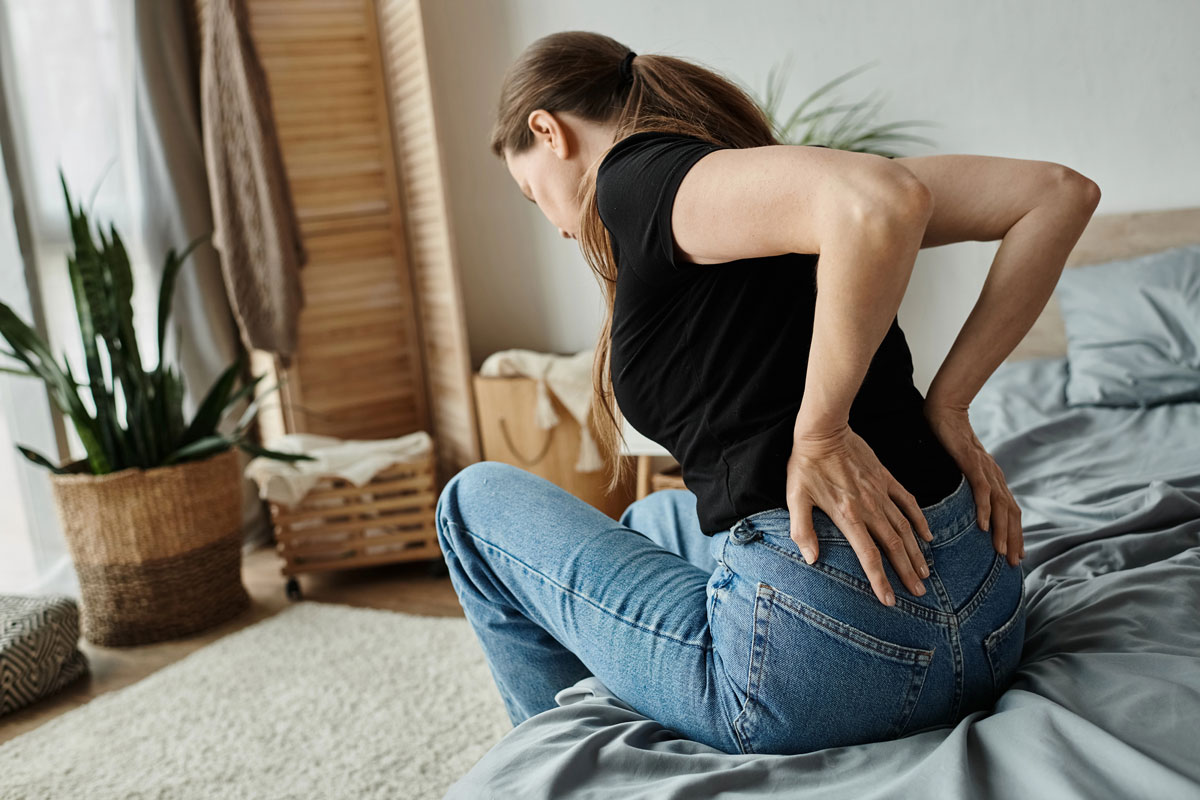
Have you ever thought an injury was finally behind you, only for the pain to come right back weeks or months later?
Why does the same injury keep happening?
Maybe your low back flares up every time you’re in the garden. Your shoulder starts hurting again after returning to the gym. Or your knee seems fine until you go on vacation and suddenly you’re limping by day two.
If that sounds familiar, you’re not alone. Recurring injuries are incredibly common, but they’re often misunderstood. Many people assume their body is simply “falling apart” or that getting older means pain is inevitable.
In reality, recurring injuries often happen because the underlying cause was never fully addressed.
The good news? Breaking that cycle is possible.
Why recurring injuries happen
When an injury occurs, your body is remarkably good at adapting.
If one joint isn’t moving well, another joint often moves more than it should. If one muscle becomes weak, neighboring muscles work harder to compensate.
These short-term adaptations help keep you moving, but over time they can place extra stress on tissues that weren’t designed to handle the additional workload.
Research has shown that previous injuries are one of the strongest predictors of future injury. That’s because the body may continue using altered movement patterns, reduced strength, impaired balance, or decreased neuromuscular control after the initial pain improves.
In other words, feeling better doesn’t always mean you’ve fully recovered.
Why “just treating the pain” often isn’t enough
One of the biggest mistakes we see is focusing only on where something hurts. Pain is important, but it doesn’t always tell the whole story.
For example:
- Low back pain may be influenced by limited hip mobility or reduced core stability.
- Shoulder pain can sometimes stem from pore movement of the shoulder blade or stiffness in the upper back.
- Knee pain may develop because of weakness around the hips or changes in walking mechanics after a previous injury.
Research consistently shows that musculoskeletal pain is often influenced by multiple contributing factors rather than a single damaged structure. Looking only at the painful area may provide temporary relief without addressing why the problem keeps returning.
Our approach: Find the “why”
At Pharaoh Health and Rehab, we don’t like guessing.
Instead, we start by asking questions that matter:
- How did this start?
- What makes it worse?
- Has this happened before?
- What activities or movements bring the pain back?
- How does your body actually move?
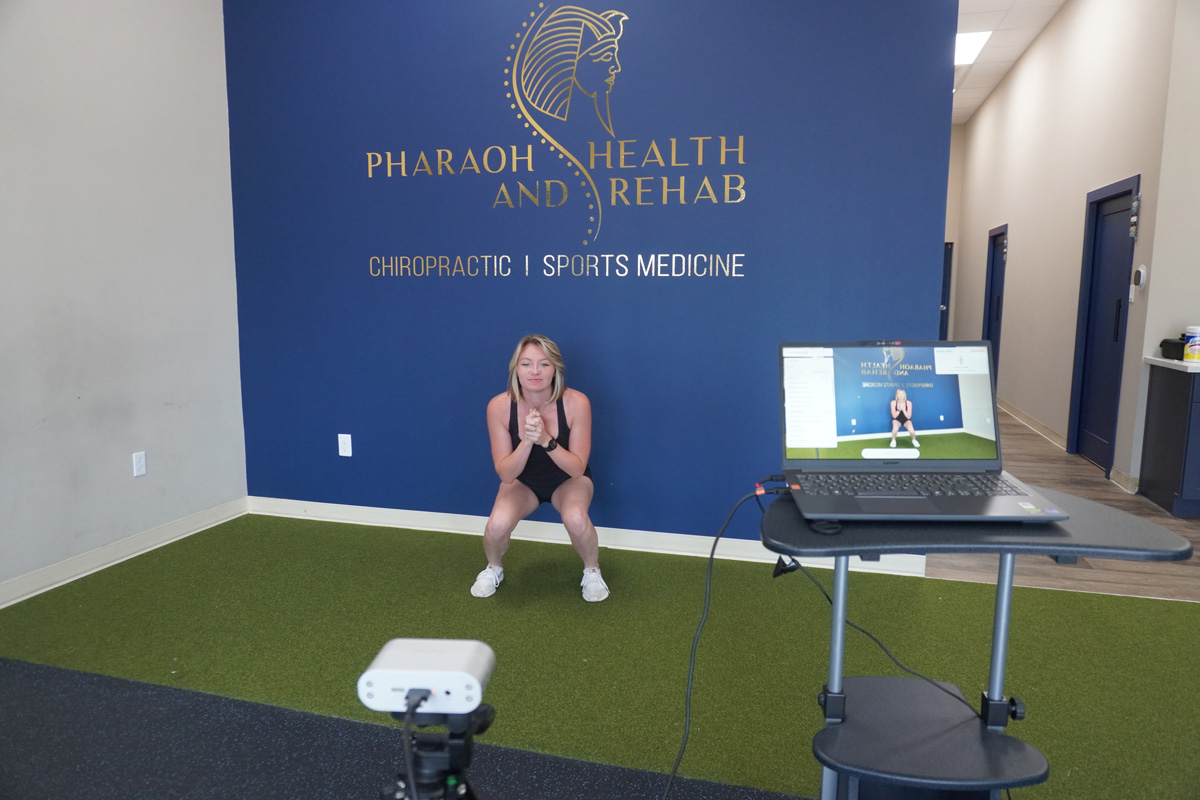
From there, we evaluate movement, strength, balance, posture, and joint function to identify what may be contributing to the problem. Sometimes it’s simply the area that’s been working overtime because something else isn’t functioning the way it should be.
Finding that difference helps us build a customized treatment plan that’s designed around your body. No two treatment plans are the same, everyone’s body is uniquely different.
Restoring Movement
Healthy joints are meant to move.
When movement becomes restricted, nearby joints often compensate by moving more than they should. Over time, that extra stress can contribute to pain, stiffness, and repeated irritation.
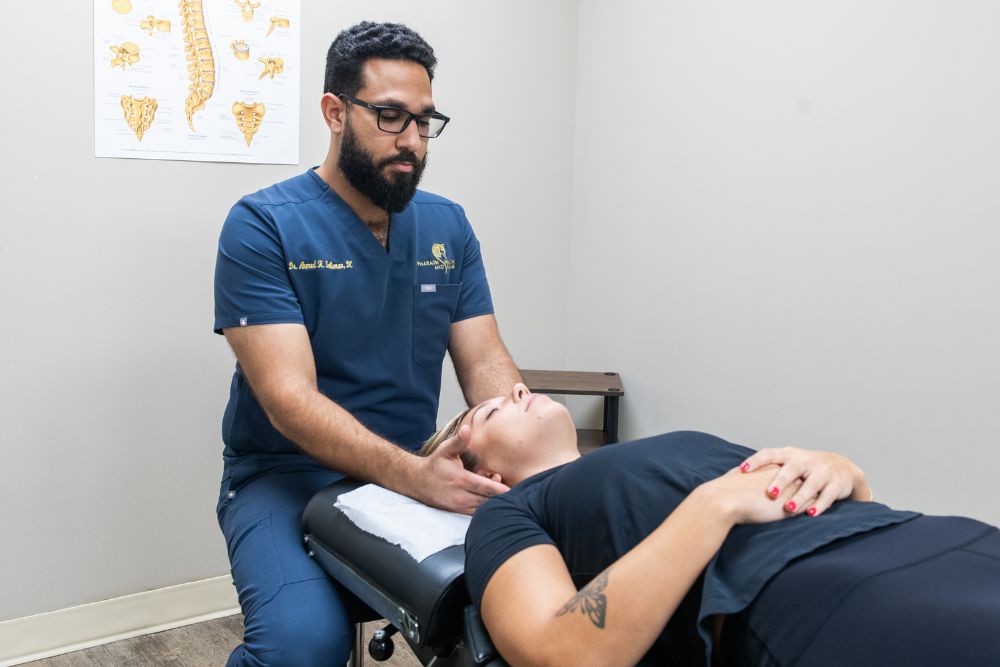
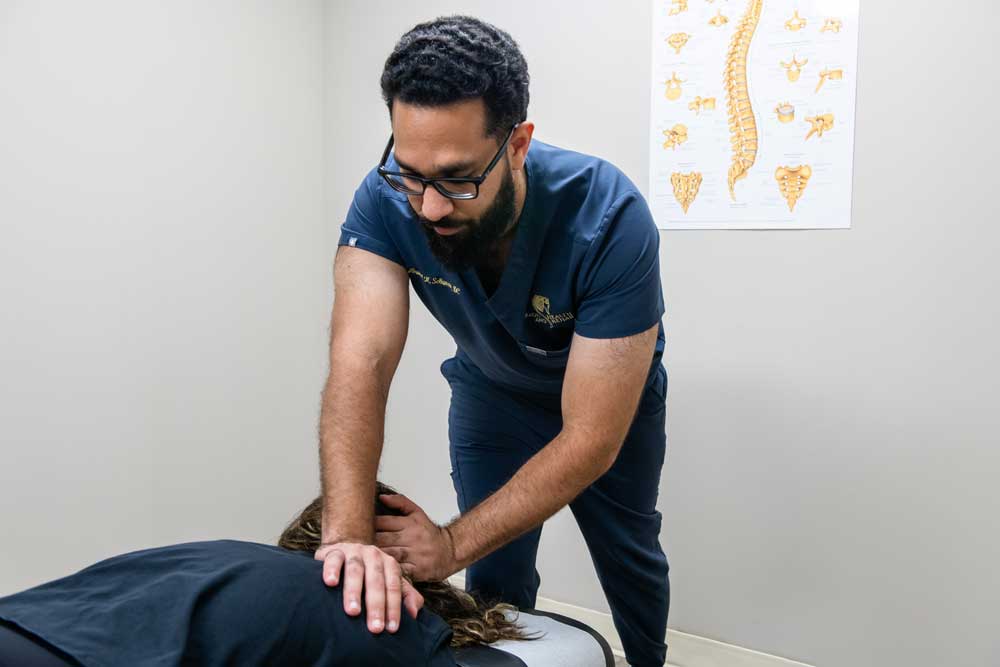
Improving joint mobility through evidence-based manual therapy, chiropractic care, and targeted mobility exercises may help restore more efficient movement patterns. A combination of therapies can also help reduce any unnecessary stress on the surrounding tissues.
The goal isn’t simply to adjust the joint by means of chiropractic care.
The goal is to improve how your body moves as a whole.
Rebuilding strength and control
Pain often causes muscles to “shut down” or become less effective.
Even after discomfort improves, those muscles may not automatically return to full function. That’s why physical rehabilitation is such an important part of recovery.
Progressive strengthening, balance training, and neuromuscular exercises help to retrain your body to move efficiently again. Studies have shown that exercise therapy is one of the most effective treatments for many common musculoskeletal conditions because it improves function while reducing the likelihood of future episodes.
Recovery doesn’t stop when the pain goes away. Recovery continues until your body is prepared for the activities you want to return to.
Creating a plan that’s built for you
No two injuries are exactly alike, and the team at Pharaoh Health and Rehab recognizes that.
A recreational runner, construction worker, office employee, and busy parent may all experience similar back pain, but the reasons behind that pain are all uniquely different.
That’s why customized treatment plans matter. Your goals, daily activities, injury history, lifestyle, and physical examination all help determine the best path forward.
Our job is to help you understand not only what’s happening, but why it’s happening, and what you can do to prevent it from coming back.
A patient story we see every week
Imagine someone who has experienced recurring shoulder pain for over a year. They’ve rested it, they’ve taken anti-inflammatory medication.
They’ve stretched, maybe they’ve even completed physical therapy once or twice. Each time, the pain improves, that is until they start lifting, working overhead, or playing with their kids again.
During their evaluation, we discover their shoulder itself isn’t the only problem.
Limited mobility through the upper back, weakness around the shoulder blade, and altered movement patterns are placing extra stress on the shoulder every time they lift.
Instead of only treating the painful area, we address the movement limitations, improve strength where it’s needed, and gradually build them back to the activities they enjoy.
That’s how long-lasting progress is made.
You don’t have to live in the injury cycle
Whether you’re an athlete, weekend warrior, or someone who simply wants to play with your kids without pain, recurring injuries don’t have to become your normal. If you’ve been treating the same problem over and over again without lasting results, it may be time to look beyond where it hurts.
Understanding why your injury keeps returning is often the first step toward finally breaking the cycle.
Answering Your Most Frequently Asked Questions (FAQs) About Recurring Injuries
Why does my injury keep coming back even after I rest?
Rest can reduce symptoms, but it doesn’t always correct movement dysfunction, weakness, or other factors that contributed to the injury in the first place.
Do I need to be an athlete to benefit from chiropractic and rehabilitation?
Not at all. We treat people from all walks of life. From office workers to parents, to competitive athletes, everyone deserves to move well.
Will adjustments alone fix my injury?
Chiropractic adjustments can be one valuable part of treatment for some conditions. But long-term recovery often also includes exercise, strengthening, mobility work, and education.
I’ve tried physical therapy before. Is this different?
Every clinic approaches care differently. Our goal is to identify the factors contributing to your specific problem and create an individualized plan based on your examination and goals. One size does not fit all when it comes to injury recovery.
Ready to move forward?
If you’ve been dealing with pain that keeps coming back, we’d love to help you figure out why. Our goal isn’t just helping you feel better today, it’s helping you move better for the long term.
Schedule an evaluation with Pharaoh Health and Rehab, and together we’ll build a plan that’s focused on getting you back to doing what you love with confidence.
Resources
- Alentorn-Geli, Eduard et al. “Prevention of non-contact anterior cruciate ligament injuries in soccer players. Part 1: Mechanisms of injury and underlying risk factors.” Knee surgery, sports traumatology, arthroscopy : official journal of the ESSKA vol. 17,7 (2009): 705-29. doi:10.1007/s00167-009-0813-1
- Hodges, Paul W, and Kylie Tucker. “Moving differently in pain: a new theory to explain the adaptation to pain.” Pain vol. 152,3 Suppl (2011): S90-S98. doi:10.1016/j.pain.2010.10.020
- Lin, Chung-Wei Christine et al. “Cost-effectiveness of guideline-endorsed treatments for low back pain: a systematic review.” European spine journal : official publication of the European Spine Society, the European Spinal Deformity Society, and the European Section of the Cervical Spine Research Society vol. 20,7 (2011): 1024-38. doi:10.1007/s00586-010-1676-3
- Sherrington, Catherine et al. “Exercise for preventing falls in older people living in the community.” The Cochrane database of systematic reviews vol. 1,1 CD012424. 31 Jan. 2019, doi:10.1002/14651858.CD012424.pub2
- van Middelkoop, Marienke et al. “A systematic review on the effectiveness of physical and rehabilitation interventions for chronic non-specific low back pain.” European spine journal : official publication of the European Spine Society, the European Spinal Deformity Society, and the European Section of the Cervical Spine Research Society vol. 20,1 (2011): 19-39. doi:10.1007/s00586-010-1518-3